Why You Keep Missing Winning Moves in Chess and How to Spot Them
That winning move looked obvious in your review. Here’s how to give yourself a better chance of finding it while it still matters.
 GlassKnight

You finish a game, open the review, and there it is. A knight fork. An undefended rook. A checkmate you never considered. Now that you can see the answer, it looks simple. So why didn’t you find it?
A useful place to start isn’t “How do I calculate ten moves ahead?” It’s “Did I ever consider the right move in the first place?”
A puzzle gives you a clue that a game doesn’t
When a puzzle says White to move and win, it has already told you something important: there is something worth finding. Your opponent doesn’t offer that courtesy.
During a game, you have two jobs: notice that an opportunity might exist, then work out whether it actually works.
That’s why your practice should include more than finding the answer. Ask yourself: What about this position should have made me stop and look?
The answer might be an exposed king, an undefended piece, or two valuable pieces sitting where one move could attack both. These are the kinds of relationships behind tactics such as forks, pins, and discovered attacks. 1
Start with what their last move changed
Before continuing your plan, examine your opponent’s move from two directions: What did it threaten? What did it leave behind?
Try this quick scan:
| What changed? | What to investigate |
|---|---|
| A defending piece moved away. | Is something it protected now vulnerable? |
| A pawn moved. | Did it open a line toward either king or another valuable piece? |
| Two valuable pieces became exposed. | Could one move attack both? |
Treat these as reasons to investigate, not proof that a combination works. An undefended piece is a clue. Winning it still requires calculation.
Look for forcing moves, but don’t play them automatically
Checks, captures, and direct threats are useful starting points for finding candidate moves. But a checklist is not a substitute for understanding the position; even the familiar “checks, captures, threats” advice has limits. 2
First, check whether your opponent has an immediate threat you must address. Then investigate your own forcing options.
For each promising move, ask: “What is their strongest reply?” Not the reply you hope they play. The one that makes your idea hardest to execute.
Perhaps they can capture your attacking piece. Perhaps they have a stronger check. Perhaps they can ignore your threat and create something worse.
The purpose of checking forcing moves first is to find ideas worth calculating, not to convince yourself every check is good.
Try it: one move, two problems
White to move. Can you find a move that wins material?
White’s knight is on d5. Black’s king is on g8, and Black’s rook is on c8. Before reading further, examine the knight’s checks.
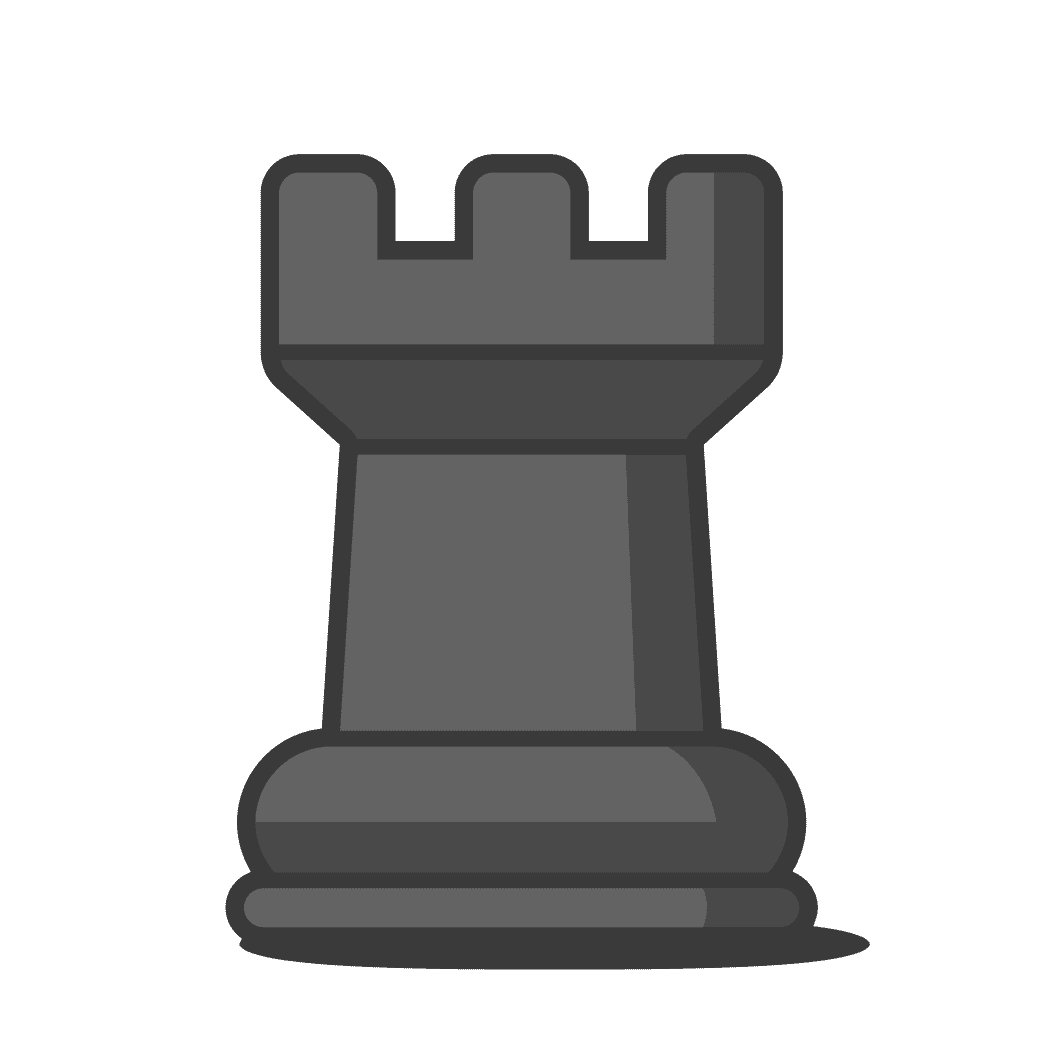

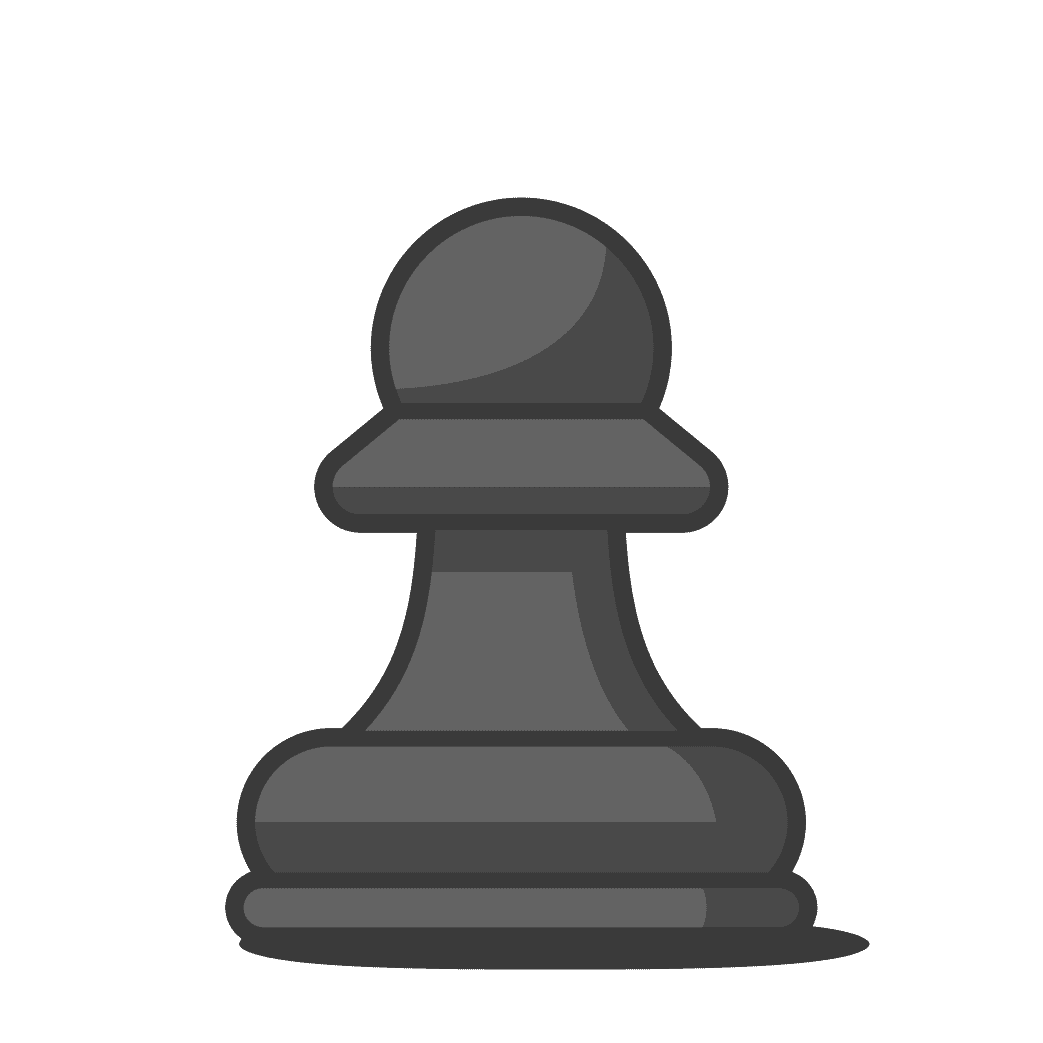
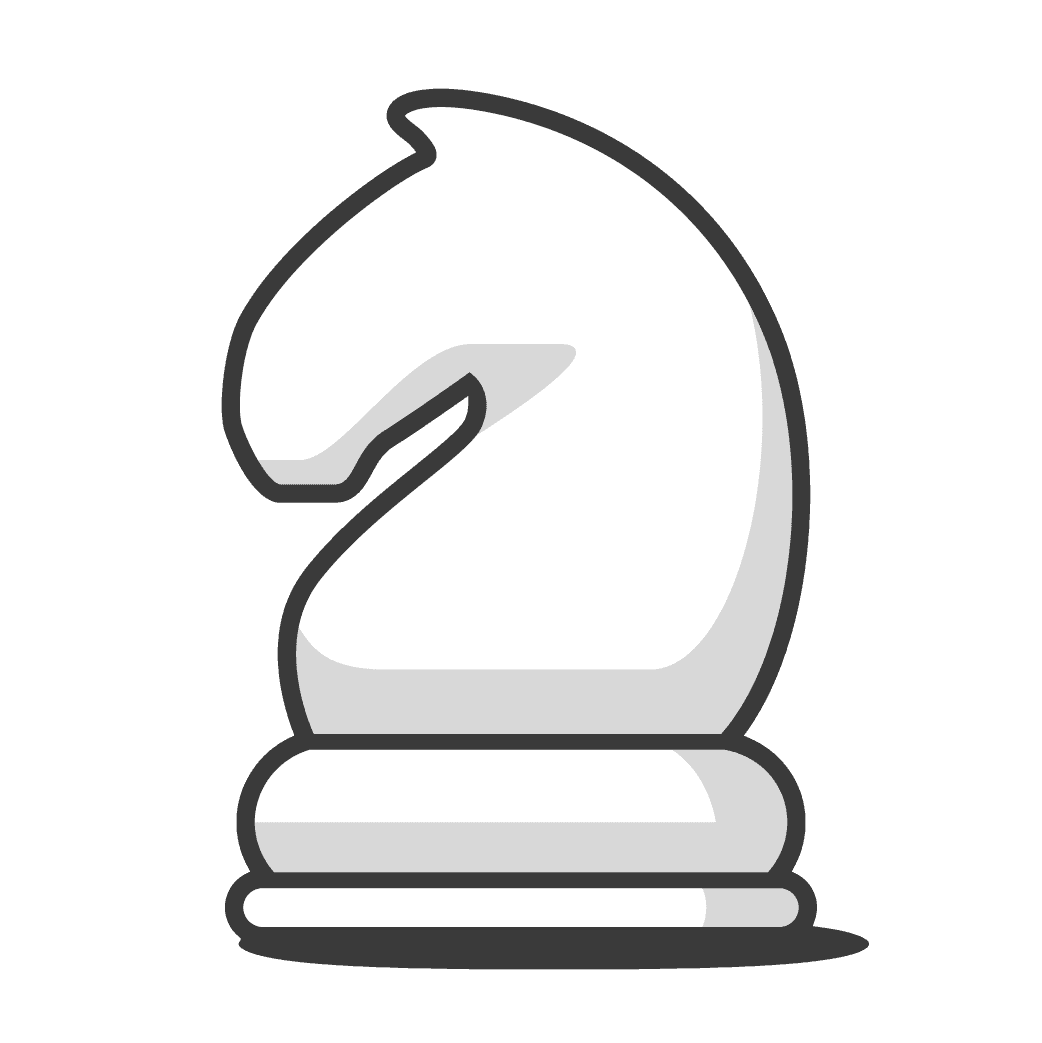
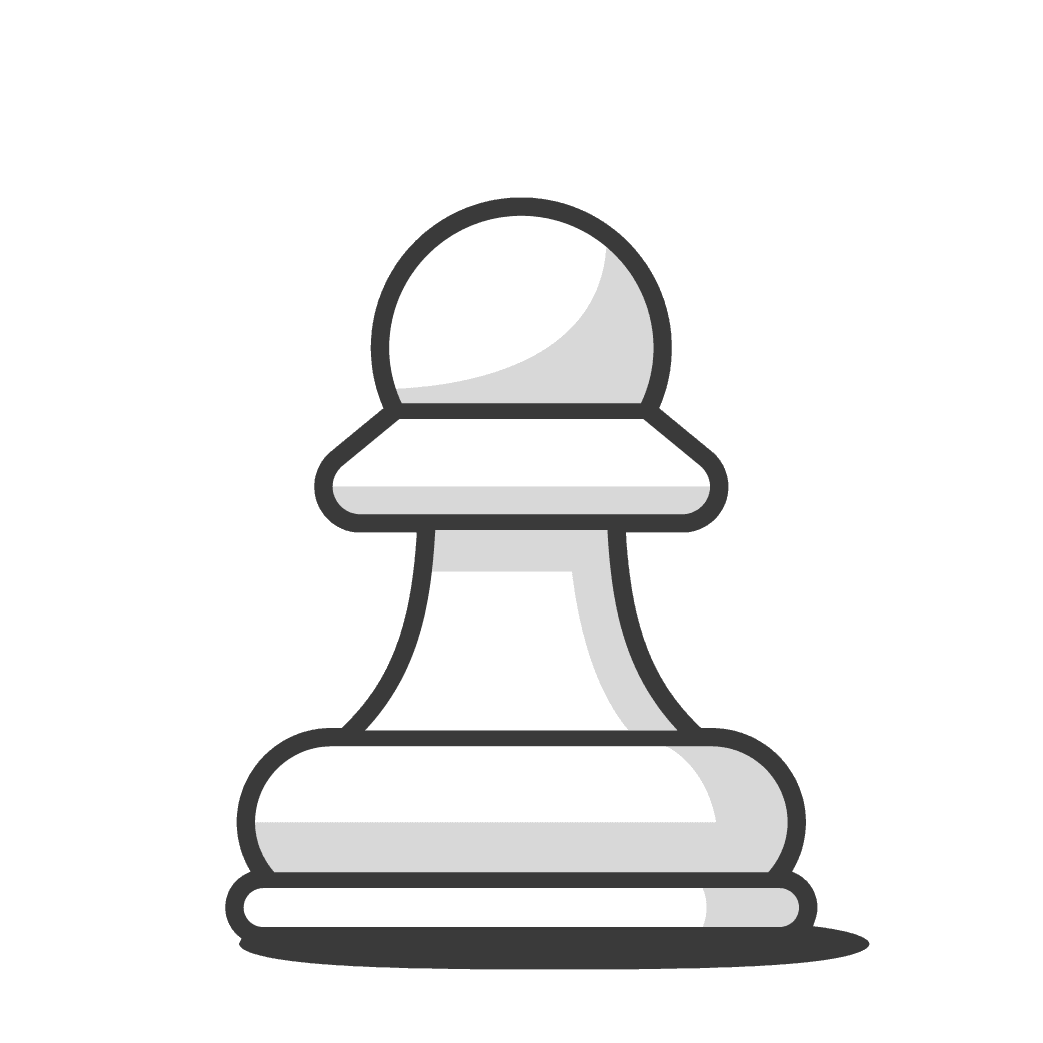
 g
Your first good idea can hide another one
Sometimes you miss a move because you have already found something you like.
This isn’t just a beginner’s problem. In a study of expert chess players, researchers found that a familiar solution could keep directing players’ attention, even when those players reported looking for a better one. 3
A practical habit to try: when the position is sharp and your clock allows it, compare your favorite move with one genuinely different candidate.
Planning a capture? Check whether you have a useful check first. Planning an attack? Look for your opponent’s counterattack.
You don’t need to calculate everything. Give another idea a chance to enter the conversation.
Practice noticing without being handed the move
This distinction is central to GlassKnight’s Live Coach. During permitted bot practice, an Opportunity or Danger prompt draws attention to an important moment without telling you which move to play. You still have to inspect the position, choose a candidate, and test the reply.
Afterward, revisit the moment in your review. Whether you found it or missed it, ask the same question: What was the clue?
Mix coached practice with games without prompts. Give yourself opportunities to notice those clues independently, too.
Use live assistance only in computer-practice modes that permit it, never ongoing games against people. Not every game labeled “bot” allows assistance: Lichess, for example, distinguishes its built-in AI from games against Bot accounts. 4
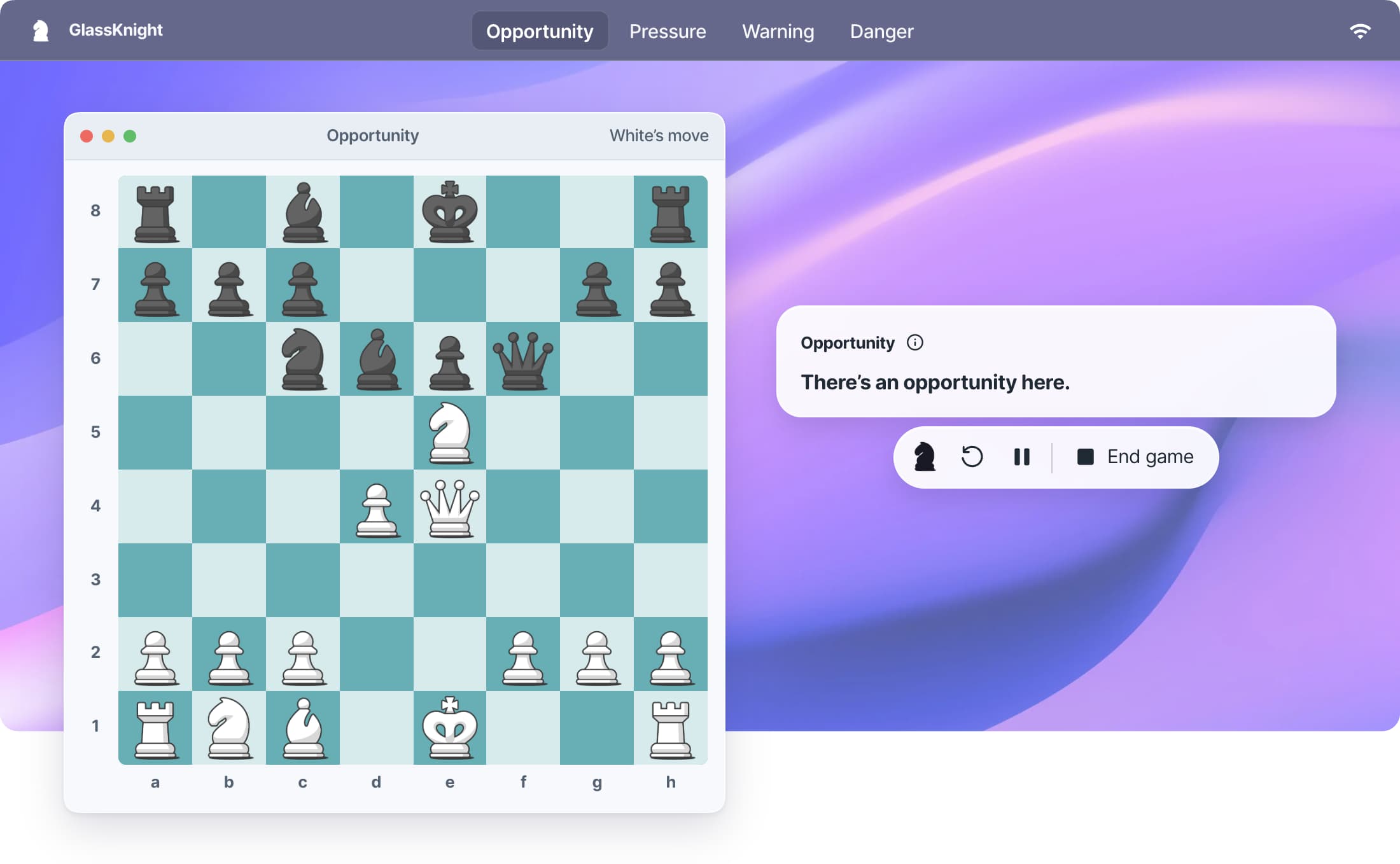
Take this into your next game
Before committing to a move, ask: What changed? What can I force? What can they do back?
You won’t spot everything. The aim is to give important moves a chance to be considered before they become another surprise in your review.